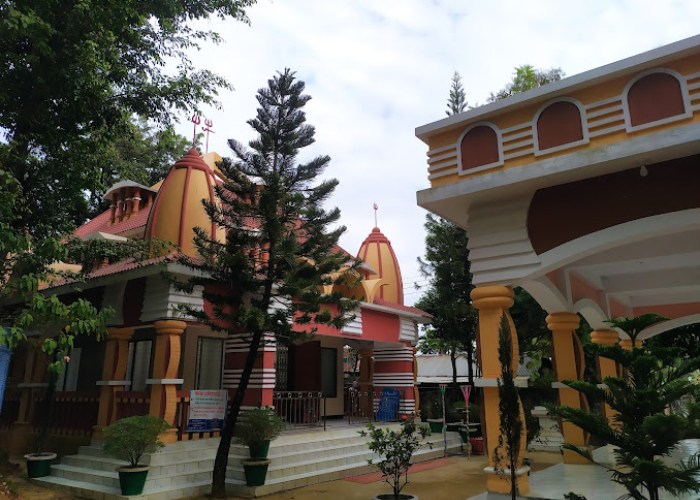
Pilgrimage Guide
Plan Your Sacred Visit
to the Maha Peetha
How to reach, when to come, and how to approach the sanctum with the reverence the Mother deserves.
How to reach, when to come, and how to approach the sanctum with the reverence the Mother deserves.
The temple sits approximately 3 km south-east of Sylhet town, in Dakshin Surma upazila.
The nearest airport is Sylhet Osmani International Airport (ZYL), with daily flights from Dhaka and seasonal flights from select Indian and Middle Eastern cities. The airport lies approximately 12 km north of the temple.
Sylhet Railway Station is well connected with Dhaka, Chittagong and Akhaura. From the station, the Peetha is a short 25-minute drive south-east through the town and across the Surma into Dakshin Surma.
From Sylhet town centre, head south across the Surma towards the Dakshin Surma upazila. Continue along the main road past Gotatikar; Joinpur village lies a short distance further. Local transport (CNG, taxi) is widely available.
Travelling from Kolkata, fly via Dhaka to Sylhet; alternatively, road and rail crossings are available via the Dawki–Tamabil border (Meghalaya–Sylhet) and Karimganj (Assam). Coordinate visa and travel documents in advance.
Air-conditioned coaches and trains run frequently between Dhaka and Sylhet (approx. 5–6 hours by road). From Sylhet town, the Peetha is a 25-minute drive south-east.
International pilgrims may fly into Dhaka (DAC) and continue to Sylhet by air or rail. Visa-on-arrival is available for select passport holders; please verify the latest guidance before travel.
The temple opens at 5:30 AM for Brahma Muhurta abhishekam and remains open until 12:30 PM. Evening darshan begins at 4:00 PM and closes after the night arati at 9:00 PM. Devotees are encouraged to arrive at least 30 minutes before closing for an unhurried darshan.
The most agreeable months are October to March, when the climate of Sylhet is gentle and dry. The monsoon (June–September) is lush and atmospheric but expect heavy rain and humidity.
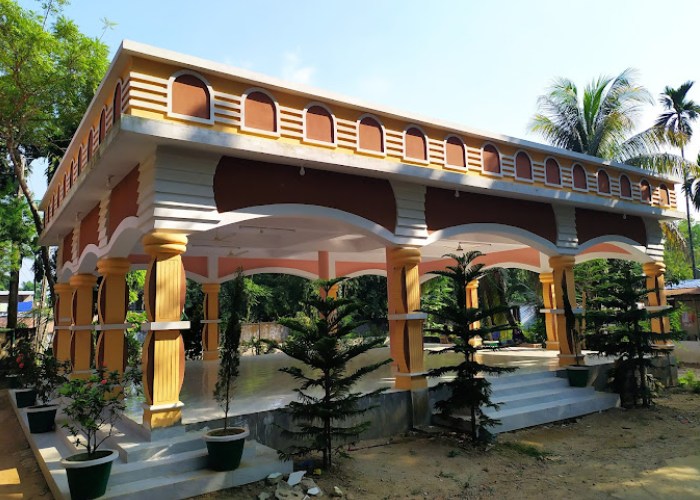
A few simple disciplines that honour the Devi and deepen your darshan.
Saree, salwar-kameez or dhoti–kurta is preferred. Knees and shoulders should remain covered. Footwear is to be left at the dedicated stand at the temple entrance.
Within the inner courtyard please speak only in soft tones. Mobile phones should be silenced and photography is not permitted inside the sanctum.
It is customary to first bow at the threshold of Bhairav Sambaranand before entering the sanctum of the Devi.
Flowers, fruits, ghee lamps, sweets and unbroken rice grains are welcomed. Avoid bringing any non-vegetarian food or leather items into the temple precinct.
Refrain from alcohol and tobacco within the precinct. Maintain bodily and mental cleanliness as a mark of inner respect.
Pilgrims travelling with children or elders are encouraged to plan visits during quieter hours of the morning or late afternoon for an unhurried darshan.
Sylhet town offers a wide range of hospitality — from heritage hotels and modern business hotels to comfortable guesthouses and pilgrim lodges. Most accommodation is concentrated in the Zindabazar, Amberkhana and Lamabazar neighbourhoods. From any of these, the Peetha is a 20–30 minute drive south-east.
For pilgrims wishing to stay closer to the sanctum, modest local guesthouses are available in Dakshin Surma. We recommend booking in advance during festival periods. The temple office is happy to suggest reputable options on request.
Sylhet's vegetarian fare reflects the gentle Bengali sensibility — rice, dal, seasonal vegetables, sweet curd and the famous local sweets. Many guesthouses can prepare pure satvic meals for visiting pilgrims with a day's notice.
For ritual coordination, group pilgrimages, special poojas or any other guidance, please reach the Peetha office. We respond with care to every devotee.
Reach the Sacred Office