Sacred Complex & Architecture

A Sanctuary Built in Stone, Spirit & Silence

Walk through the sanctums, courtyards and sacred precincts that compose the Bhabanipur Temple Complex.

An Aerial Perspective

The Layout of the Sacred

The Bhabanipur complex is composed of a principal sanctum surrounded by subsidiary shrines, processional pathways, sacred trees, and the ponds and structures that have served generations of pilgrims.

Set within the rural landscape of Sherpur, Bogra, the temple's grounds offer a meditative quality — open courtyards meeting carved stonework, and the rhythm of pilgrimage feet meeting the silence of the sanctum.

Each element of the complex carries symbolic weight in classical Shakta and broader Hindu temple tradition.
Aerial view of Bhabanipur Temple Complex
Temple Structures

Sanctums, Shrines & Ritual Spaces

The major structural elements that together compose the living architecture of Bhabanipur.

I

Principal Sanctum

The Garbhagriha — the inner sanctum housing the principal deity — is the spiritual heart of the complex, where daily worship has continued without interruption.

II

Subsidiary Shrines

Smaller shrines dedicated to associated deities and divine forms surround the principal sanctum, expanding the iconographic vocabulary of the complex.

III

Mandap & Pavilions

Open and semi-enclosed pavilions accommodate ritual ceremonies, recitations, and gatherings of devotees during festivals and special pujas.

IV

Courtyards

The temple's courtyards serve as transitional spaces — between the secular and the sacred, between the world outside and the mystery within.

V

Sacred Pond

Traditional temple ponds — long associated with ritual purification and contemplation — form part of the complex's architectural and ecological setting.

VI

Processional Paths

Defined pathways guide devotees through the complex during circumambulation (parikrama) and special festival processions.

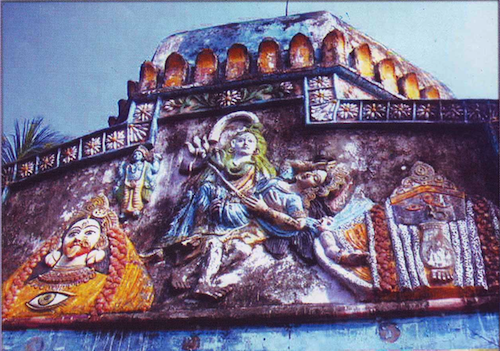
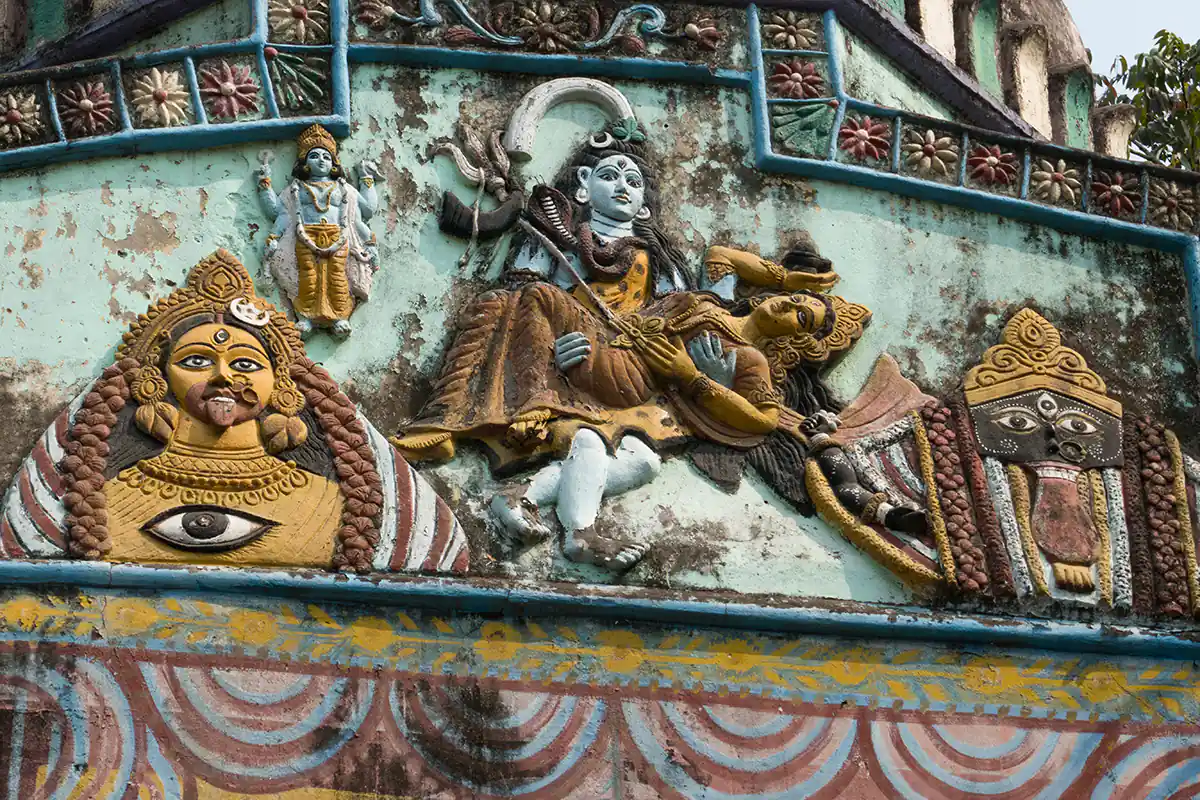
Heritage carvings on temple walls
Architectural Style

Tradition Etched in Stone

The architectural character of Bhabanipur draws from the broader temple traditions of eastern Bengal and the wider Indic temple grammar — combining sanctity of plan with the quiet grandeur of ornamentation.

  • Classical sanctum-and-superstructure typology
  • Traditional terracotta and stone detailing in regional vernacular
  • Decorative motifs drawn from Shakta and broader Hindu iconography
  • Architectural language attuned to climate, devotion and ritual
  • Layered construction reflecting centuries of additions and renewal
Symbolic Motifs

A Vocabulary of the Sacred

Every motif at Bhabanipur is a fragment of devotion — drawn from the classical iconography of the Divine Mother and the wider Shakta tradition.

Lotus

Purity, transcendence and the seat of the Mother.

Conch

Sacred sound that purifies the air and the soul.

Trishul

Sovereignty over the three realms of existence.

🜂

Eternal Flame

The unquenched energy of the divine feminine.

Visitor Pathways

A Reverent Walk Through the Complex

Suggested Pilgrimage Route

Entry → Sanctum → Parikrama → Repose

A traditional flow allows the devotee to enter, behold the deity, complete the sacred circumambulation, and pause for reflection before departing.

1

Sacred Entry

Removing footwear; quiet preparation at the threshold.

2

Outer Courtyard

Place of welcome, gathering, and offering preparation.

3

Mandap

Pavilion for collective prayer and ritual recitations.

4

Principal Sanctum

Darshan of the Goddess — the spiritual culmination.

5

Subsidiary Shrines

Devotion paid to associated deities of the Pitha.

6

Parikrama Path

Sacred circumambulation around the sanctum.

7

Sacred Pond

Quiet space for contemplation and visual repose.

8

Departure

Receiving prasad and parting blessings.

Restoration & Care

Conservation Rooted in Reverence

Heritage conservation at Bhabanipur is approached as a sacred responsibility — restoring without erasing, repairing without rewriting, and ensuring the temple's living devotional life remains uninterrupted.

A

Documentation

Careful recording of the temple's architecture, iconography and ritual life as the foundation for any conservation effort.

B

Sensitive Restoration

Conservation work guided by traditional knowledge and contemporary best practice — protecting both fabric and meaning.

C

Continuing Worship

All preservation work is designed around the temple's living devotional rhythm — never disrupting, always supporting.