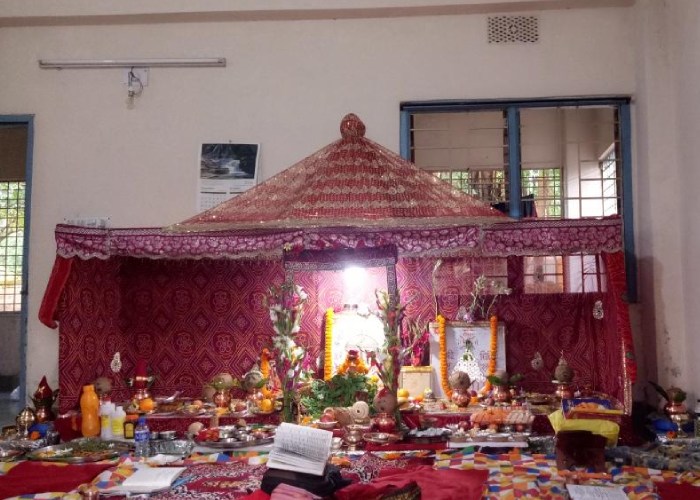
A Revered Shakta Pitha · Bangladesh

A Sacred Seat of Divine Power
Bhabanipur — Eternal Shakta Heritage

One of the revered Shakta Pithas of the Indian subcontinent, preserving centuries of devotion, Goddess worship, and sacred tradition in the heart of Sherpur, Bogra.

Scroll
Sacred Importance

Where the Divine Mother is Eternally Enshrined

Bhabanipur is counted among the most venerated Shakta Pithas of the Indian subcontinent — the sacred sites where, according to ancient tradition, parts of Goddess Sati's celestial form descended to earth. Here, the worship of Devi Aparna, a serene aspect of Goddess Bhavani, has continued unbroken across generations.

Set within tranquil rural Bengal, the temple complex is a living sanctuary of Shakta devotion, classical iconography, and cross-border Hindu civilisational continuity.

Discover the Heritage
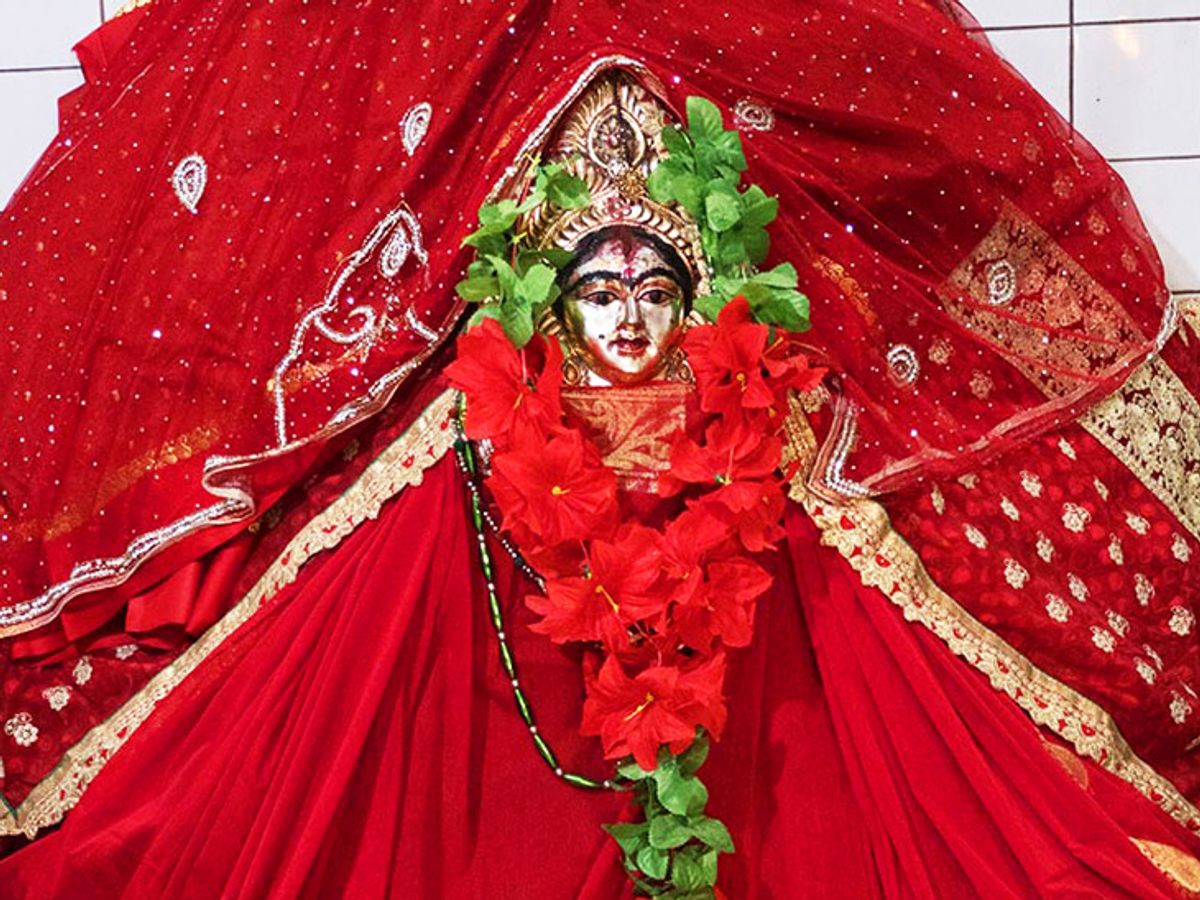
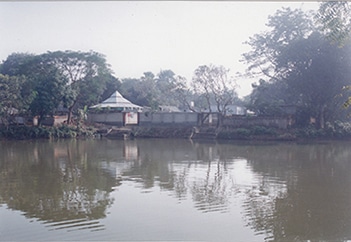
The sacred Bhabanipur Shakta Pitha temple at sunrise
Historic Temple Complex

A Centuries-Old Sanctuary of Faith & Stone

The Bhabanipur complex is more than a single shrine. It is a constellation of sanctums, courtyards, sacred groves, and ritual structures developed over centuries by devotees, kings, and reformers who sought to safeguard the living tradition of Shakta worship.

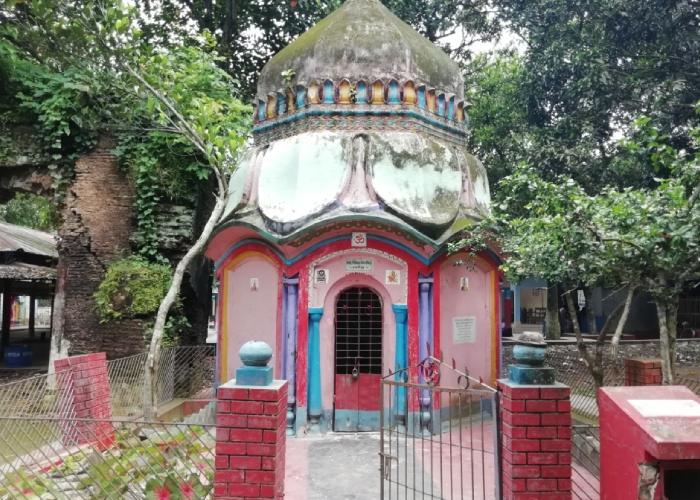
  • Principal sanctum dedicated to Devi Bhavani / Aparna
  • Subsidiary shrines, processional pathways and ritual platforms
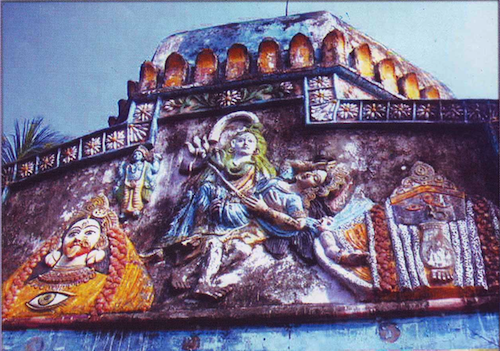
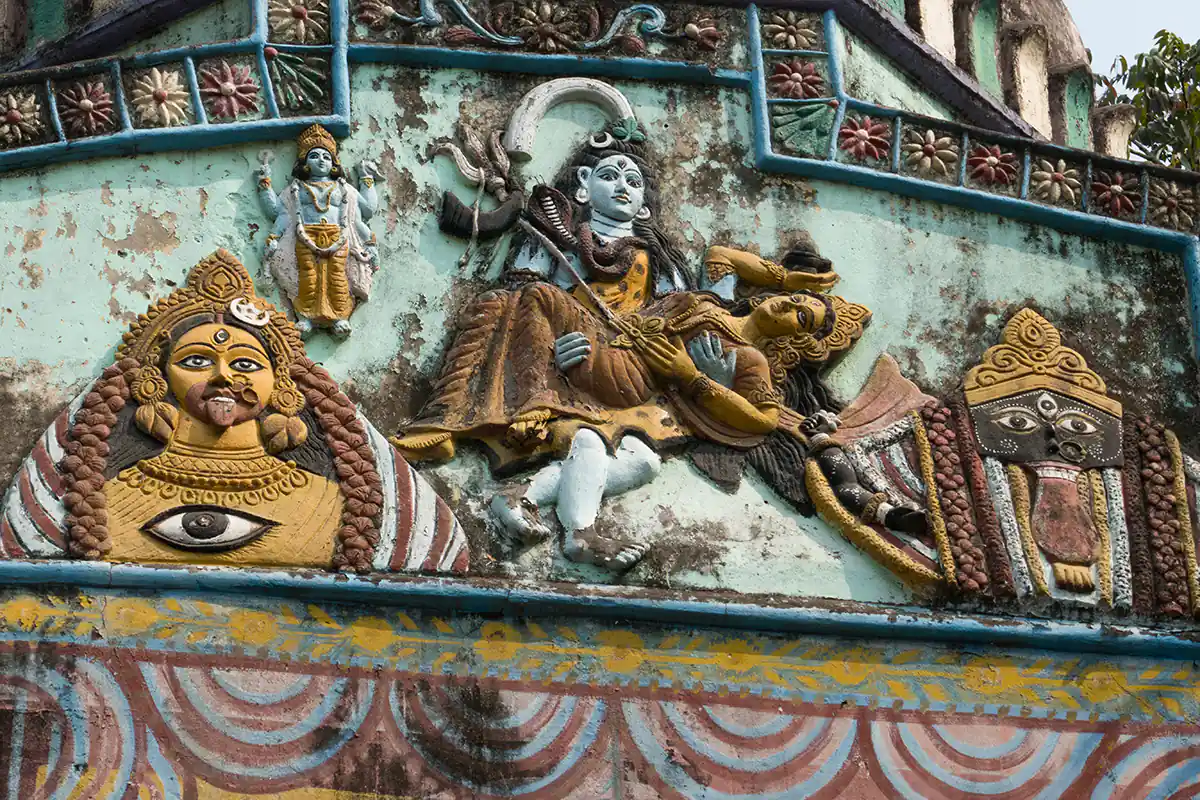
  • Heritage carvings, sculpted motifs and traditional ornamentation
  • Sacred precincts, ponds and gathering spaces for devotees
Tour the Complex
Heritage wall carvings at Bhabanipur Shakta Pitha
Goddess Devotion Legacy

An Unbroken Lineage of Shakta Worship

From temple priests and pilgrim families to scholars of the sacred sciences, generations have safeguarded the Devi tradition at Bhabanipur — its mantras, festivals, and architectural sanctity.

I

Daily Devi Puja

The temple observes a continuous calendar of morning and evening rituals — abhishekam, aarti, and recitation of the Devi Mahatmyam — held by the resident sevayats.

II

Sacred Iconography

The principal idol of the Goddess is venerated alongside symbolic motifs of the divine feminine — lotus, conch, trishul, and the eternal flame of Shakti.

III

Pilgrim Reverence

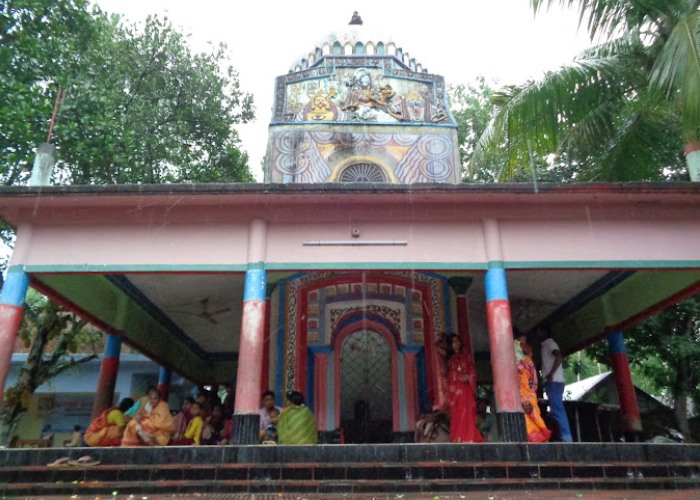
Devotees journey from across Bangladesh, India, Nepal and the diaspora to seek the Mother's grace, especially during Durga Puja, Navratri and Kali Puja.

Temple Highlights

Glimpses of the Sacred Sanctuary

"Yā Devī sarvabhūteṣu śaktirūpeṇa saṃsthitā · Namastasyai, namastasyai, namastasyai namo namaḥ."
— From the Devi Mahatmyam
Devotees on pilgrimage at Bhabanipur
Pilgrimage Heritage

A Tirtha of Unbroken Faith

For generations, devotees have undertaken the journey to Bhabanipur as a sacred tirtha — a passage of inner cleansing as well as outward devotion. The road from Bogra to Sherpur, traversed by countless pilgrims, has become a living artery of Shakta tradition in Bangladesh.

33km
From Bogra
51+
Shakta Pithas
365
Days of Worship
3
Major Festivals
Visitor Essentials

Plan a Reverent Visit

Practical guidance for devotees, pilgrims and heritage travellers — designed to honour both the temple's sanctity and your own journey.

Location

Bhabanipur Temple Complex, Sherpur Upazila, Bogra District, Rajshahi Division, Bangladesh — approximately 33 km from Bogra city.

Temple Timings

Open daily during traditional hours, with extended timings during festivals and Navratri. Sandhya aarti is particularly auspicious.

Dress & Etiquette

Modest, traditional attire is recommended. Footwear must be removed before entering the sanctum. Photography of the deity is restricted.

Best Time to Visit

October to March offers the most pleasant climate. Durga Puja and Navratri see the temple at its most vibrant, devotional best.

Heritage Preservation

Safeguarding a Civilisational Treasure

The Bhabanipur Temple Complex is not merely a place of worship — it is a custodian of cross-border Hindu civilisational memory. Its preservation calls upon devotees, scholars, philanthropists, and heritage institutions to come together for restoration, conservation, and respectful documentation, so that future generations may stand within these sacred precincts as their ancestors did.

Meet the Custodians