Where Sati's Right Arm Fell
The cosmic narrative of Daksha Yajna, Sati's self-sacrifice and Shiva's mournful tandava — at Chandranath, the right arm of the Devi rests, sanctifying the hill as a Shaktipeeth of foundational importance.
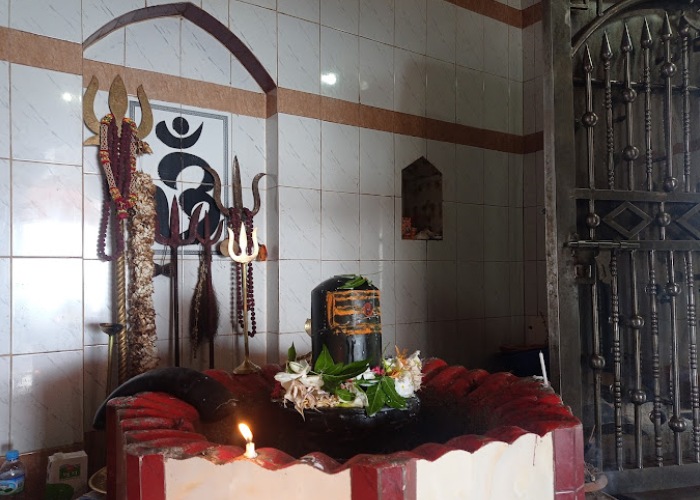
A heritage of devotion etched into the highest peak of Sitakunda — a sanctuary where the Goddess and the Mahadev have been worshipped together for centuries.
Chandranath Shaktipeeth stands as one of the 51 Shakti Peethas — the sacred geography of devotion that maps the dismembered body of Goddess Sati across the Indian subcontinent. Of all these sites, Chandranath holds a place of singular reverence: it is here that the right arm of the Devi is believed to have descended, sanctifying the very earth and giving rise to a temple lineage that has endured for over a millennium.
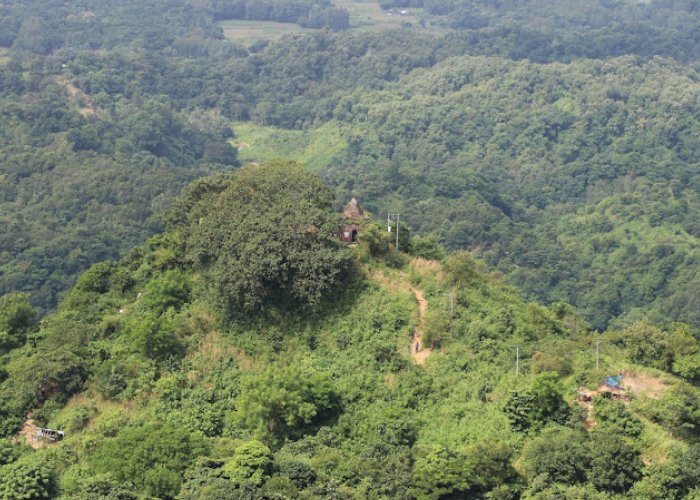
Carved into the summit of Chandranath Hill, the highest peak of Sitakunda Upazila in the Chattogram district of Bangladesh, this Shaktipeeth has long been a meeting place of mythologies. It belongs at once to the Bengali devotional tradition of Devi worship, to the Shaiva legacy of Lord Chandrashekhar, and to the wider civilisational dialogue that links Bangladesh, India, Nepal and the Buddhist nations of South Asia.
The cosmic narrative of Daksha Yajna, Sati's self-sacrifice and Shiva's mournful tandava — at Chandranath, the right arm of the Devi rests, sanctifying the hill as a Shaktipeeth of foundational importance.
The Shaktipeeth is uniquely consecrated to Goddess Bhavani as the presiding Shakti, alongside Lord Shiva as Chandrashekhar — the moon-crowned Bhairav whose name the hill itself bears.
For centuries, Chandranath has been central to the Devi-worshipping traditions of Bengal — a sanctified destination for the spiritual lineage of devotees from Chattogram, Dhaka, Sylhet, Tripura and Bengal across the border.
At over 1,150 feet, the climb to Chandranath is itself an act of devotion — a forested ascent past streams, lingams, lesser shrines and panoramic vistas of the Bay of Bengal.
From the ancient Shiv Chaturdashi Mela to daily aartis and pilgrim ascents, the rituals of Chandranath have flowed unbroken — sustained by priests, trustees and devotees across generations.
The temple binds the cultural heritage of Bangladesh, India and the wider South Asian Hindu-Buddhist world — a living reminder of a civilisational dialogue that predates modern frontiers.
The relaunch of Chandranath Shaktipeeth as a global heritage destination is shepherded by a leadership team committed to sacred preservation, cross-border cultural dialogue and dignified pilgrimage tourism.


"The hill is not a place of stone — it is a place of memory. The Goddess remembers her devotee, and the devotee climbs to remember the Goddess."— Tradition of the Chandranath Pilgrimage
From the Daksha Yajna to the present-day mela, the story of this Shaktipeeth is woven across millennia. Read the temple's full historical narrative.