Eco-Tourism
Sitakunda Botanical Garden & Eco Park
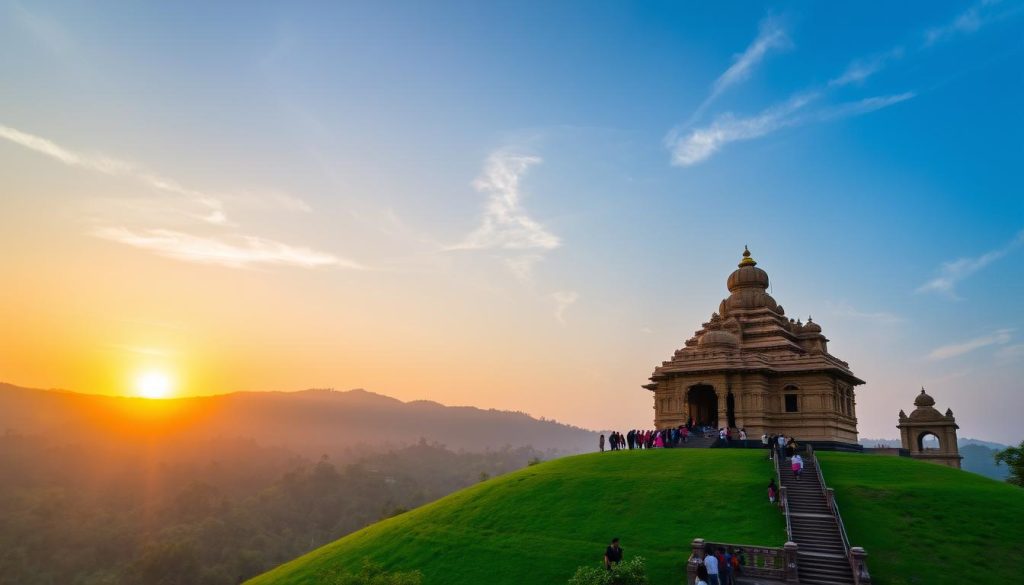
Spread across a forested range of nearly 800 hectares — home to native flora, observation towers, the Sahasradhara waterfall, and trails that connect to the temple range.
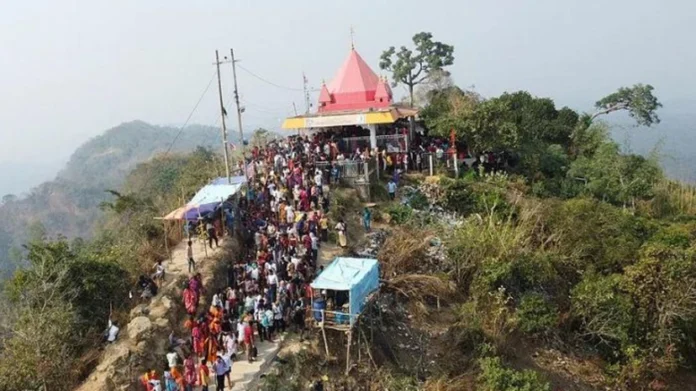
Where the Chittagong hills meet the Bay of Bengal — a region of forested ridges, mineral-rich kundas, eco-parks, beaches and a sacred geography that goes well beyond the temple itself.
Sitakunda Upazila is named after a celebrated kunda — a sacred natural reservoir — associated in tradition with Sita, the wife of Lord Rama, who is believed to have rested here during her exile. The region is, in effect, a layered sacred landscape: pre-Vedic kunda lore, Ramayana-era memory, Shaktipeeth devotion, and centuries of folk worship at every spring, banyan and stone outcrop.
For the modern traveller, Sitakunda offers a remarkable blend — a sacred journey at its heart, ringed by eco-parks, waterfalls, beaches and a culinary culture rooted in the cuisines of coastal Chattogram.
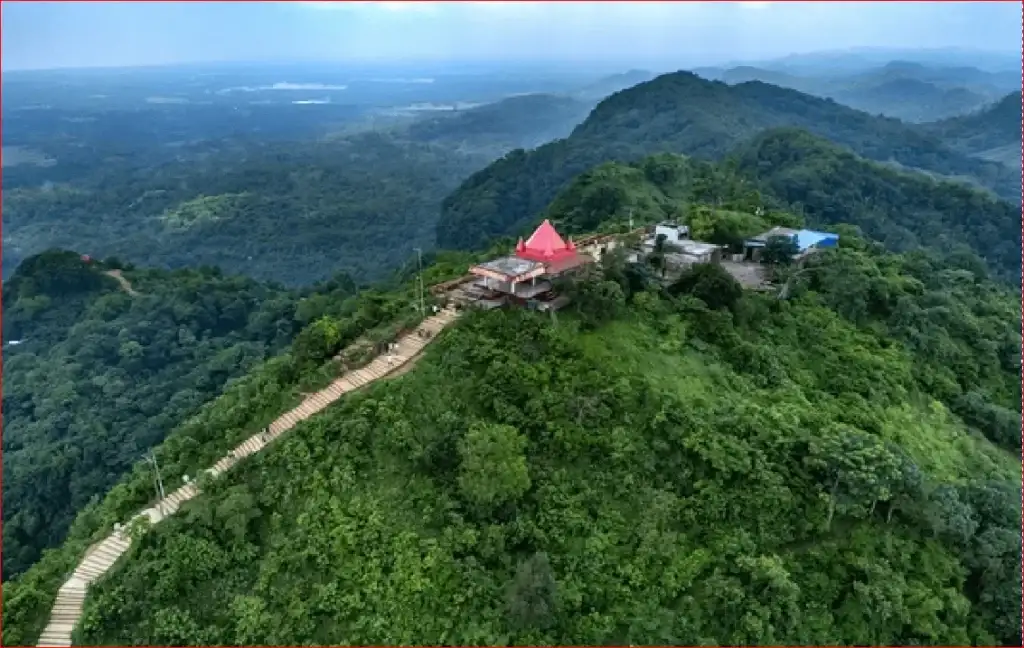
From hidden waterfalls to coastal mangroves, Sitakunda holds an extraordinary diversity within a small radius.
Spread across a forested range of nearly 800 hectares — home to native flora, observation towers, the Sahasradhara waterfall, and trails that connect to the temple range.
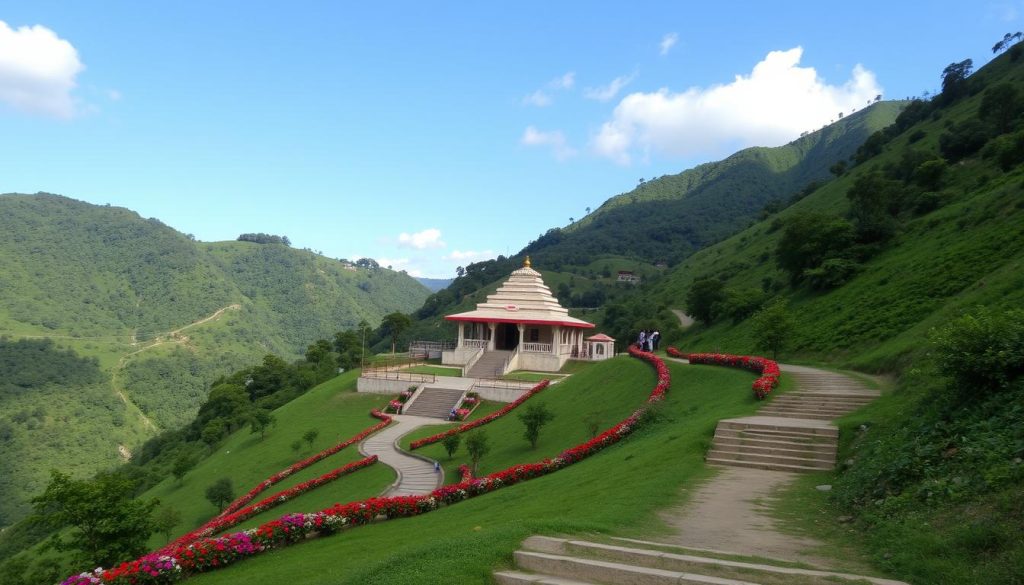
The dominant ridge of the area, with the Shaktipeeth at its summit and a network of subsidiary shrines, springs and viewpoints along the way.
A windswept stretch of mangroves and meadows along the Bay of Bengal — perfect for sunset visits after the temple climb. About 12 km from the temple base.
Twin cascades within the eco-park, accessible by short forest trails. Best in September–November when the streams run full but the paths are stable.
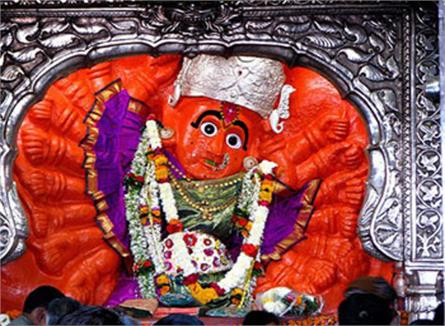
Two of the older subsidiary shrines along the pilgrim path — Birupaksha temple, dedicated to Shiva, and the sacred Vyaskunda kunda, traditionally linked to sage Veda Vyasa.
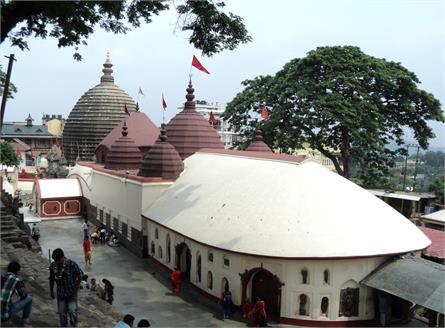
Local market with traditional sweets, spice traders and pilgrim-grade vegetarian eateries. The wider Chattogram coast is famed for mezban, kala bhuna and seasonal fish curries.
The cuisine of Sitakunda is shaped by Chattogram's coastal kitchens and the sattvic traditions of the temple precincts. Pilgrim eateries serve classic Bengali vegetarian fare — luchi, cholar dal, alur dom, khichuri, payesh — while the bazar offers seafood specialities for non-pilgrim travellers.
The local cultural calendar is layered — Bengali Hindu festivals around the Shaktipeeth, the rural rhythms of Chattogrami folk-music, and the broader composite traditions of the wider district. Visiting around festival days lends an additional cultural depth to the trip.
"Sitakunda is a doorway — the temple at its summit is the threshold, and the country around it is the prayer."— Heritage observation
The Trust collaborates with vetted local guides and lodging partners to coordinate visits for international pilgrims, scholars and heritage delegations.