About the Sacred Peeth

A Sanctuary of Sacred Lineage

The history, mythology, traditions, and contemporary custodians of one of South Asia's most revered Shakti Peethas.

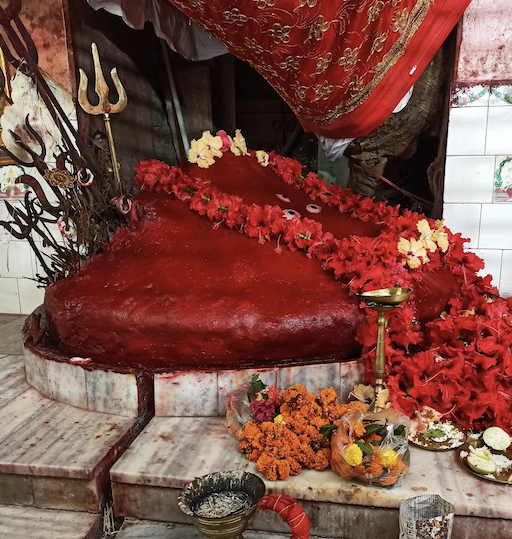
Sravani Shakti Peeth historical sanctum
The Origin

The History of Sravani Shakti Peeth

Sravani Shakti Peeth — venerated for centuries also as Sarvani Shakti Peeth and Chandranath Shakti Peeth — stands among the most sacred of the 51 holy seats of the Divine Mother. Tucked into the eastern hills of Bangladesh, it has been a pilgrimage destination since the earliest centuries of recorded devotion in Bengal.

Its sanctity is rooted in the Puranic tradition: when the body of Goddess Sati was severed by Lord Vishnu's Sudarshan Chakra, her spine descended at this very ground. The Mother thus established her perpetual residence here — anchoring the spiritual axis of the eastern subcontinent and consecrating Sitakunda as one of the most powerful Shakta sites in the world.

Across dynasties, languages, and rulers, the sanctity of this Peeth has remained unbroken. Sages, poets, scholars, and humble devotees have all walked these slopes, leaving behind traditions of song, ritual, and unbroken faith.
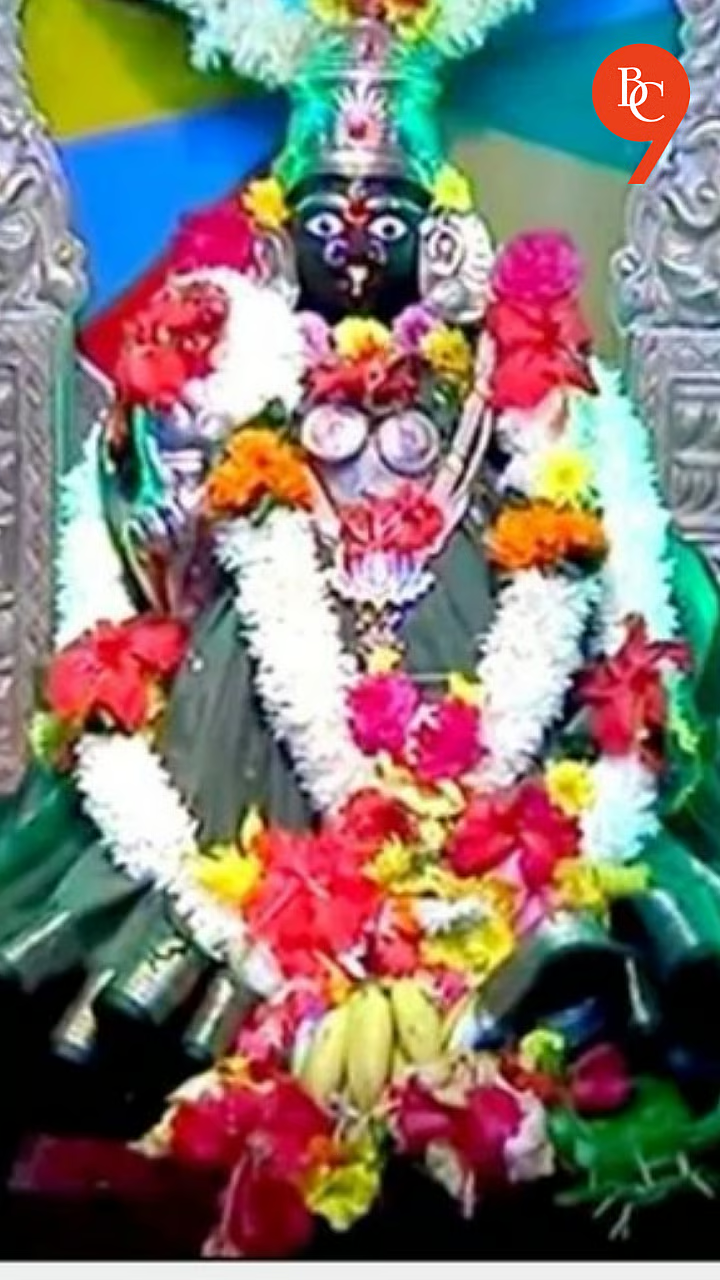
Sitakunda sacred landscape
The Names

Sravani · Sarvani · Chandranath

The Peeth carries multiple sacred names, each illuminating a different facet of its divine identity. Sravani evokes the Devi as the embodiment of cosmic strength — she who supports and sustains. Sarvani, meaning "she who is everywhere," speaks to her omnipresence as the universal Mother.

The name Chandranath — "Lord of the Moon" — refers to the sacred hill upon whose body the Peeth resides. Chandranath Hill itself has long been venerated as a meditative seat of cosmic consciousness, the place where the moon-deity is said to have performed penance.

Together, these three names form a single sacred identity: a Devi who is at once strong, all-pervading, and luminously present in the heart of the sacred mountain.
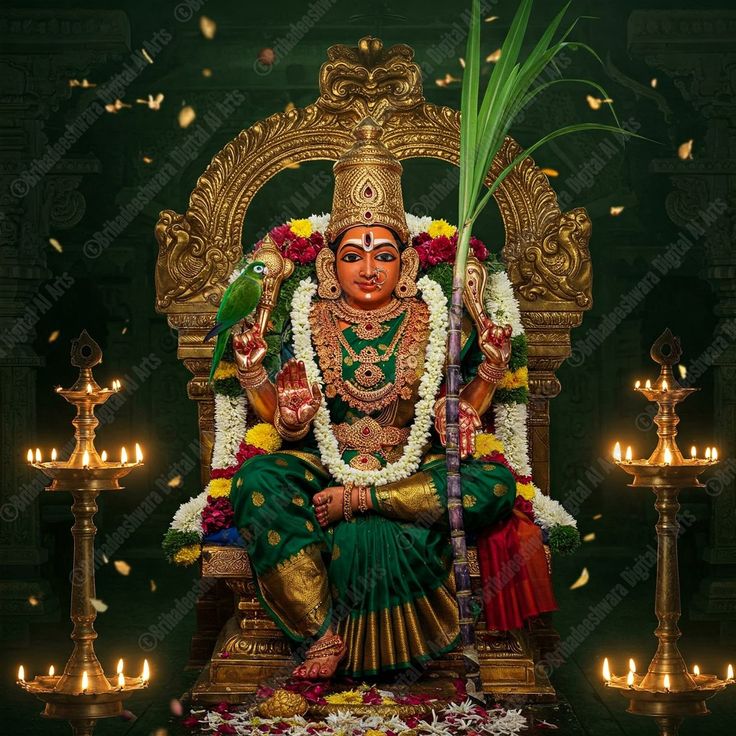
Devotional traditions at Kumari Kunda
The Location

Kumari Kunda, Sitakunda

The sanctum lies at Kumari Kunda — "the pool of the Maiden" — an evocative name pointing to the eternal youthfulness and primordial purity of the Devi. Set within Sitakunda Upazila of Chittagong District, Bangladesh, the site is woven into a sacred geography of springs, hills, and shrines.

Sitakunda itself derives its name from Mata Sita and is sacred across multiple devotional traditions. The presence of Sravani Shakti Peeth elevates the entire region into one of the most layered sacred landscapes of the eastern subcontinent — a meeting point of Shakta, Shaiva, and Vaishnava devotion.


Sacred Dimensions

A Heritage of Living Devotion

Sravani Shakti Peeth is not a relic of the past — it is a living shrine, sustained by ritual, scripture, and the unbroken chain of pilgrim faith.

i

Mythological Significance

The descent of the Mother's spine here makes this site cosmically significant — symbolising the very axis of strength upon which dharma is upheld. Each visit becomes a remembrance of the universe's creation, dissolution, and renewal.

ii

Worship Traditions

The Peeth follows ancient Shakta-Tantric worship, with daily aratis, seasonal observances, and the major festivals of Navratri, Durga Puja, and Maha Shivaratri drawing pilgrims from across South Asia in particular reverence.

iii

Regional Importance

Within Chittagong's heritage, Sravani Shakti Peeth is foundational — it shapes the religious calendar, inspires regional art and song, and sustains the ancient devotional culture of Bengal across the eastern subcontinent.

iv

For Shakta Devotees

For practitioners of Shaktism, this is among the most charged of pilgrimage destinations — offering darshan of the Devi in her primordial form, accompanied by Bhairav Nimish, the eternal guardian of the sanctified threshold.

v

Scriptural Witness

The Peeth is named in classical Shakta texts including the Devi Bhagavata and Tantra Chudamani, securing its position within the canonical tradition of the 51 sacred seats of Shakti.

vi

Present-Day Pilgrimage

Today, devotees from Bangladesh, India, Nepal, Sri Lanka, and the global Hindu diaspora arrive year-round — making Sravani Shakti Peeth an active sanctum of cross-border devotion and South Asian heritage.

The Custodians

Management & Heritage Leadership

The mission of preserving, presenting, and globally projecting Sravani Shakti Peeth is led by individuals of distinguished accomplishment in cultural diplomacy, nation-building, and heritage stewardship.

Digant Sharma — Cultural and Heritage Ambassador
Cultural & Heritage Ambassador

Digant Sharma

Founder, Torus Group · Architect, SAKSHAM Mission · Co-Founder, Bangladesh Cultural Heritage Trust. A two-decade career spanning technology, cultural heritage, financial inclusion, and large-scale CSR.

View Detailed Profile
Rahul Laxman Patil — Track-II Diplomacy Strategist
Regional Youth Engagement & Cultural Affairs (BIMSTEC)

Rahul Laxman Patil

Track-II Diplomacy Strategist · Advancing Civilisational Dialogue, Cultural Geopolitics & Indo–BIMSTEC Regional Integration through 18 years of dedicated regional cooperation.

View Detailed Profile
Walk the Sacred Path

Step Into Living History

From its mythic origins to its present-day stewards, Sravani Shakti Peeth invites every seeker to become part of its eternal story.