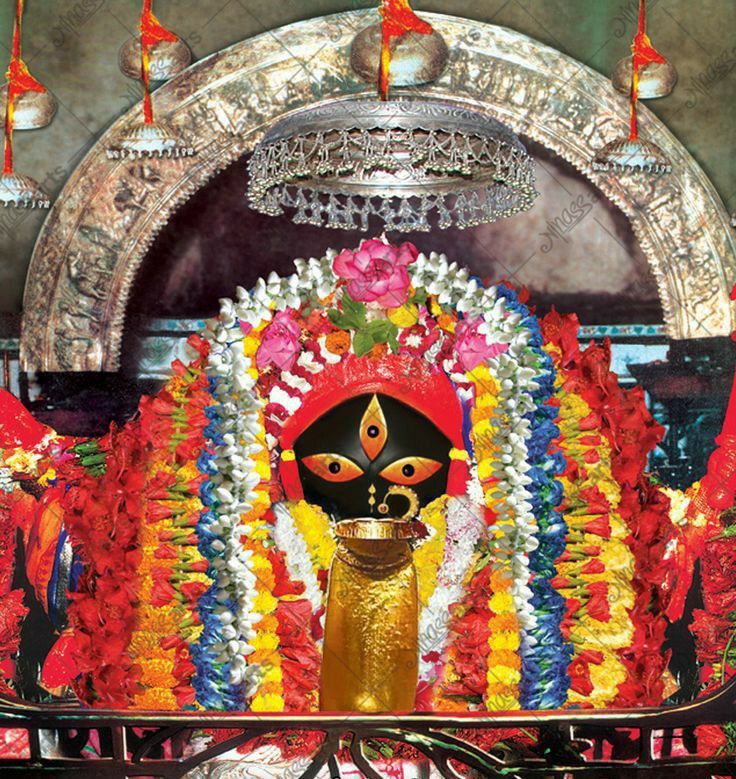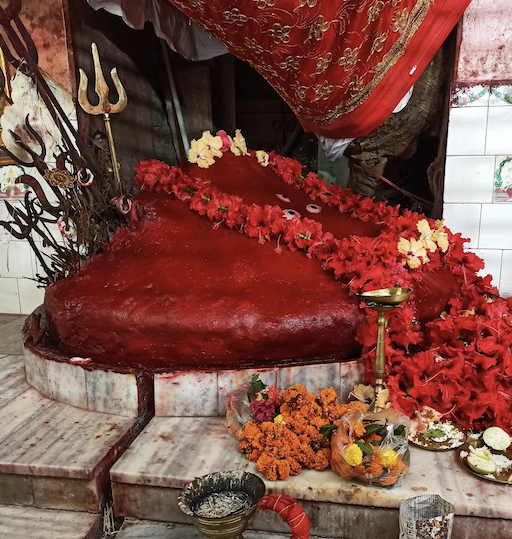
Spiritual Significance

The Eternal Power of the Divine Mother

From the cosmic story of Sati and Shiva, to the canonical tradition of the 51 Shakti Peethas — the spiritual gravity that animates Sravani.

The Foundation

What Are the Shakti Peethas?

The Shakti Peethas are the 51 sacred sites scattered across the Indian subcontinent — Bangladesh, India, Nepal, Sri Lanka, Pakistan, and Tibet — where parts of Goddess Sati's body are said to have fallen during the cosmic event of her dissolution. Each site is a living vortex of divine feminine energy.

These seats are not merely temples. They are points where the very fabric of cosmic energy touches the earth. To visit a Shakti Peeth is to step into a circuit of divinity that has been preserved unbroken across millennia of pilgrimage, scripture, and devotion. Sravani Shakti Peeth, where the Mother's spine descended, holds within it the principle of sustenance itself — the silent strength that holds all of creation in its place.

The cosmic story of Sati and Shiva
The Cosmic Story

Sati & Shiva — A Love Beyond the Cosmos

King Daksha, father of Sati, organised a great yajna and chose to dishonour his daughter and her beloved husband, Lord Shiva. Unable to bear this insult to her Lord, Sati offered her body into the sacred fire of yoga — and ascended.

When Lord Shiva heard, the cosmos shook with his grief. He carried her lifeless form across the heavens in his Tandava — the dance of dissolution. To restore the dharmic balance, Lord Vishnu invoked his Sudarshan Chakra and divided Sati's body into 51 sacred portions. Wherever each portion descended, the earth was sanctified — and a Shakti Peeth was born.

"She did not perish — she multiplied. From one Goddess, fifty-one sanctums of divine grace arose across the sacred land."

At Sitakunda, the sacred spine of the Mother fell — the cosmic axis that supports the body of the universe itself. And so was born Sravani Shakti Peeth.
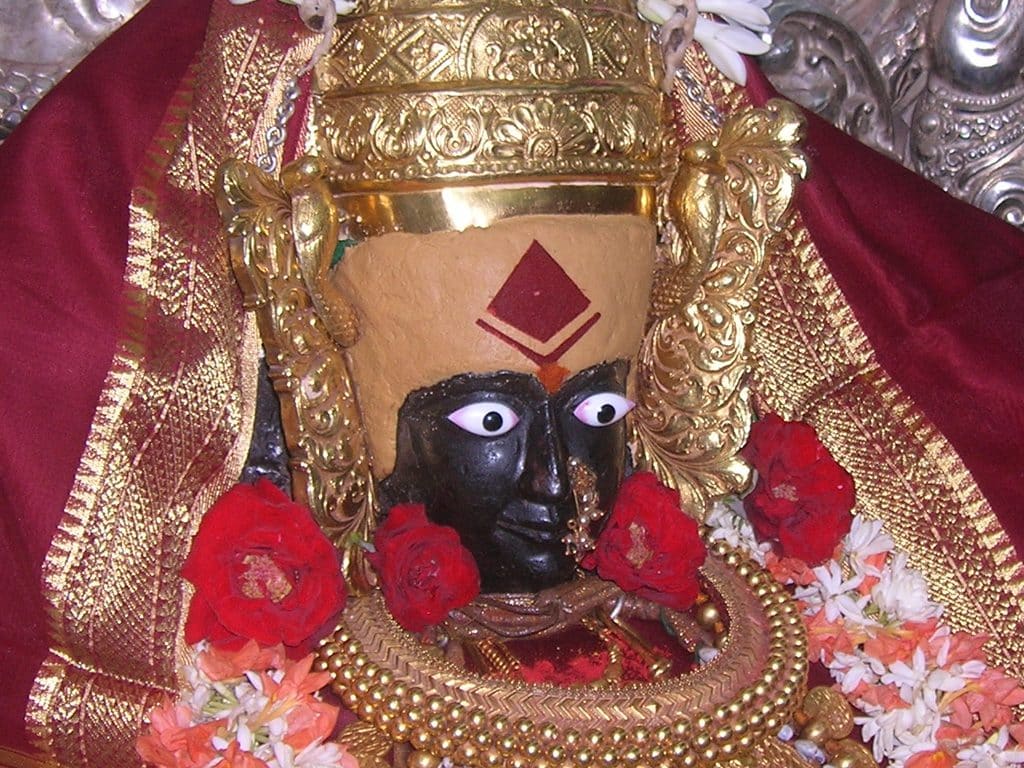
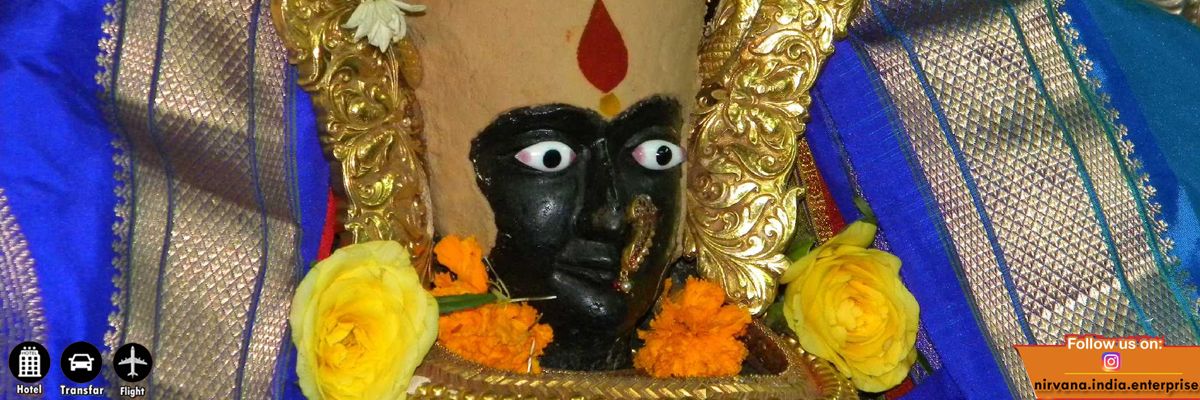
Sacred spine — divine strength
The Symbolism

Why the Spine Represents Divine Strength

In the sacred anatomy of the cosmos, the spine is the Meru — the central axis around which all existence revolves. It is the channel of the Kundalini, the seat of consciousness, the support upon which life itself stands.

That the Mother chose to leave her spine at Sitakunda is no accident of mythology. It marks this Peeth as the very pillar of strength for the eastern subcontinent — a location where devotees come to receive her support, her steadiness, and her unshakeable grace.

To bow before Sravani is to align oneself with the cosmic axis. To meditate at her sanctum is to feel the Kundalini of the Earth herself rising through the sacred geography of Sitakunda.

Among the 51

The Significance of Sravani Among the Shakti Peethas

·1·

The Pillar Peeth

Where the spine descended, strength resides. Sravani is among the few Peethas associated with the structural axis of the Mother — making it a primary destination for those seeking unwavering support in life and sadhana.

·2·

Eastern Anchor

Geographically, Sravani anchors the eastern circuit of the Shakti Peethas — completing a sacred geometry that traverses the entire subcontinent and binds it into one devotional landscape.

·3·

Multi-Tradition Hub

Few Peethas sit at such a vibrant confluence of Shakta, Shaiva, and Vaishnava traditions. Sitakunda's surrounding shrines make Sravani a meeting-point of three streams of devotion.

Worship of Goddess Sravani
The Devi

Worship of Goddess Sravani / Sarvani

The Devi worshipped at this sanctum bears the names Sravani and Sarvani — names that speak respectively to her strength and her omnipresence. She is the Mother who is everywhere, and who supports all.

Her worship follows ancient Shakta traditions: dawn and dusk aratis, the rhythmic chanting of her sacred names, the offering of red hibiscus flowers, vermillion, and the sweet preparations of ritual bhog. During Navratri and Durga Puja, the sanctum becomes a vibrating ocean of mantra, drum, and devotion.

Devotees approach her not only for liberation but for protection, fertility, prosperity, courage, and the calm strength to meet life's storms.

Bhairav Nimish — guardian of the sanctum
The Bhairav

The Significance of Bhairav Nimish

Every Shakti Peeth is incomplete without its Bhairav — the form of Lord Shiva who stands as eternal guardian of the Devi's sanctum. At Sravani, the Bhairav is venerated as Nimish.

The very name Nimish means "blink" — and yet, paradoxically, it points to the unblinking attention of the divine guardian. Nimish is the watchful presence that never wavers, the protective consciousness that secures the sacredness of the threshold.

To honour Nimish before approaching Sravani is to ask permission to enter the sanctum — to recognise that divine grace is always preceded by divine protection.

Rituals & Pilgrimage Traditions

The living traditions that have animated this sanctum across centuries — practiced today with the same reverence as in ages past.

i

Daily Aratis

Dawn and dusk ceremonies invoke the Mother through lamp, incense, and chant — a continuous thread of devotion stretching back through the centuries.

ii

Navratri Observance

The nine sacred nights become a vibrant pilgrimage period. Devotees from across the region converge to honour the Mother in her many emanations.

iii

Maha Shivaratri

The night sacred to Lord Shiva is observed with deep reverence at the Bhairav shrine of Nimish — joining the Devi and her guardian in ritual harmony.

iv

Pradakshina

Circumambulation of the sanctum — a meditative act in which the devotee aligns their inner axis with the divine axis of the Peeth.

v

Mantra Japa

Continuous repetition of the Devi's sacred names — performed individually and in collective gatherings — to align consciousness with cosmic vibration.

vi

Tirtha Yatra

Pilgrims often travel multiple Shakti Peethas across South Asia. Sravani is a key node in the eastern circuit of this profound spiritual journey.

Sacred Texts

Scriptural Foundations

The sanctity of Sravani Shakti Peeth is not a matter of folklore alone — it is enshrined in the canonical literature of the Shakta tradition.

The Devi Bhagavata Purana, one of the most authoritative texts of Shakta scripture, names this sanctum among the sacred 51 seats of the Divine Mother. The Tantra Chudamani — a foundational tantric text on the geography of Shakti worship — likewise enshrines the Peeth, identifying both the form of the Devi (Sravani / Sarvani) and her Bhairav (Nimish) at this site.

The Pithanirnaya tradition further locates this sanctum in its sacred map of the subcontinent. Together, these textual witnesses establish Sravani not as a regional shrine but as a Peeth of pan-South-Asian importance — a sanctum recognised, named, and honoured across the entire scriptural canon of Shaktism.

Step Into the Sanctum

Walk the Path of Sacred Devotion

Come and stand where the Mother's spine touched the earth — where the cosmic axis meets the soil of Sitakunda.