Heritage & History

A Living Heritage of Devotion

Sitakunda's sacred landscape, the rich Hindu heritage of Chittagong, and the unbroken pilgrimage traditions that have shaped this region for centuries.

Sacred landscape of Sitakunda
The Sacred Land

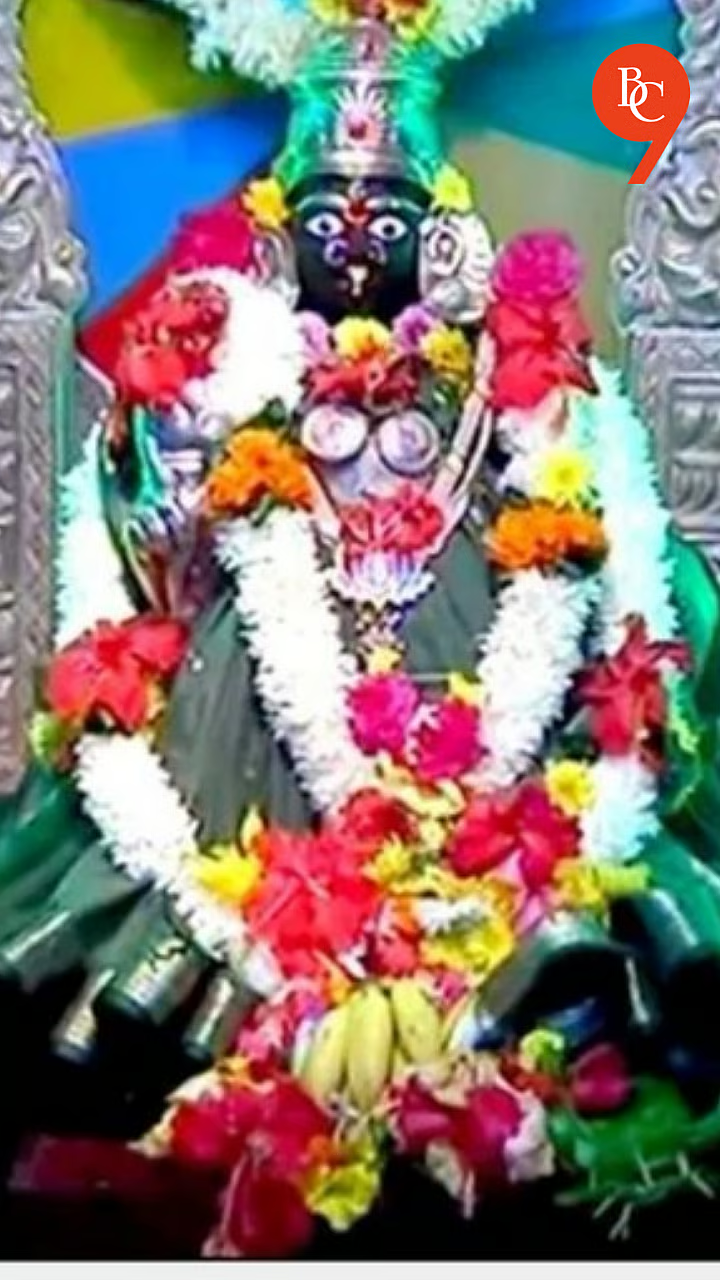
Sitakunda — The Sacred Landscape

Sitakunda, located in the southeastern reaches of Bangladesh, is among the most layered sacred landscapes of the entire subcontinent. Its very name — drawn from Mata Sita — speaks to the mythic memory etched into its hills, springs, and forests.

For centuries, the slopes of Sitakunda have welcomed pilgrims from every corner of Bengal and beyond. Its hot springs, associated with sacred bathing rituals, sit alongside ancient shrines that punctuate the climb up Chandranath Hill. The entire terrain breathes with devotion — a sacred geography that has continuously hosted Shakta, Shaiva, and Vaishnava traditions in unbroken harmony.

Within this revered terrain, Sravani Shakti Peeth stands as the supreme sanctum — the divine presence that consecrates the entire landscape.
Chittagong Hindu heritage
Chittagong

The Hindu Heritage of Chittagong

Chittagong — historically Chattogram — has been a cradle of Hindu culture for two millennia. From its ancient temples to its Sanskrit scholastic traditions, from its devotional poetry to its ritual cuisines, the region holds within it one of the deepest reservoirs of Indic civilisational memory in the eastern subcontinent.

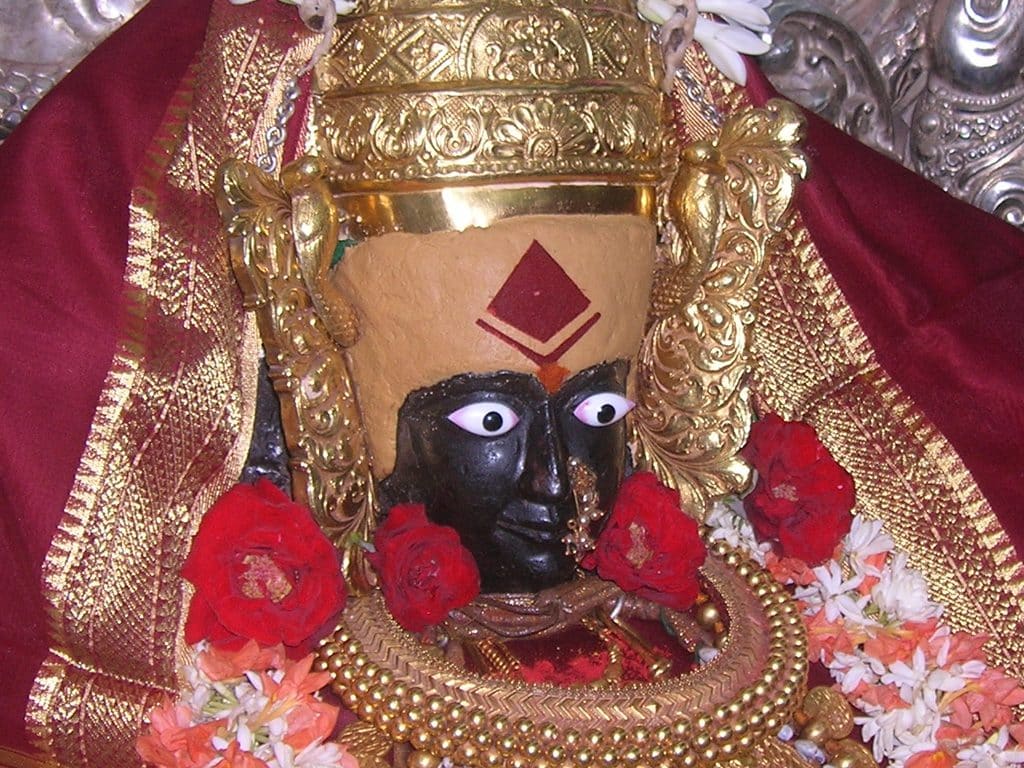
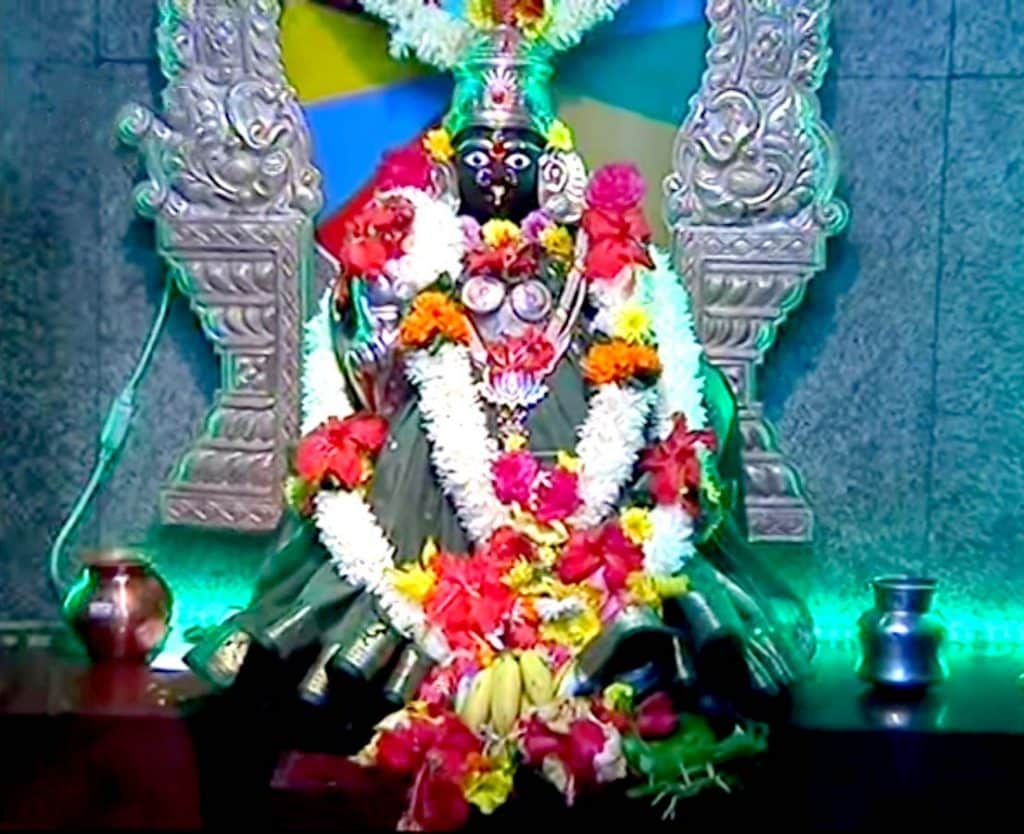
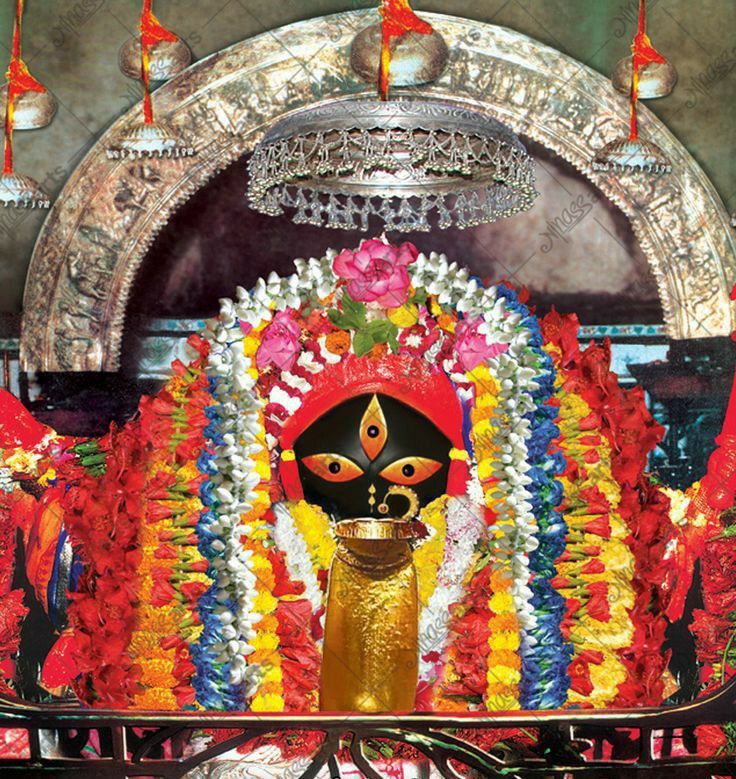
The presence of Sravani Shakti Peeth gives this heritage its spiritual heart. Around it have grown centuries of devotional song, classical art, and pilgrim culture — a living tradition that continues to bind Chittagong to the wider Bengali Hindu civilisational world.
Pilgrimage Through the Ages

Ancient Pilgrimage Traditions

From the early centuries of recorded devotion, the path to Sitakunda has been walked by sages, kings, scholars, and humble seekers — leaving behind a legacy of tirtha yatra that endures today.

·1·

The Tirtha Tradition

Pilgrims have visited Sravani as part of the broader tradition of tirtha yatra — sacred journeys through the consecrated geography of the subcontinent that mark a lifetime of devotion.

·2·

Royal Patronage

Across dynastic eras, regional rulers have offered support to the temple complex — building, restoring, and endowing the sanctum to ensure unbroken worship.

·3·

Sage Traditions

Tantric masters and Vedic scholars have for centuries chosen Sitakunda as a place of meditation and study, leaving behind a quiet legacy of spiritual scholarship.

·4·

Devotional Poetry

Bengali padavali poets, Vaishnava kirtan composers, and Shakta hymn-writers have all praised the Devi of Sitakunda — embedding her name in the literary heritage of the region.

·5·

Festival Yatras

Major festivals draw seasonal yatras — collective pilgrimages — when entire villages and townships journey together to receive the Mother's darshan and blessing.

·6·

Cross-Border Devotion

Generations of pilgrims have crossed national boundaries to reach this sanctum — making Sravani a bridge of spiritual kinship between Bangladesh, India, and beyond.

Sacred Network

A Regional Web of Sacred Sites

Sravani Shakti Peeth does not stand alone. It is the radiant centre of an interconnected network of temples and shrines that spread across Sitakunda and the surrounding hills — each node enriching the others, together forming a sacred mandala.

From Chandranath Mandir at the summit, to the bathing kunds along the slopes, from sacred caves to ancient ashramas, the entire region functions as a single great pilgrimage landscape — an integrated devotional ecology preserved across centuries.

  • Centre Sravani Shakti Peeth
  • Summit Chandranath Mandir
  • Sacred Waters Sitakunda Hot Springs
  • Allied Shrines Numerous Shaiva & Vaishnava temples
  • Tradition Continuous Devotional Heritage
Cultural relevance and devotional life
Cultural Continuum

Cultural Relevance in Bangladesh

Sravani Shakti Peeth is one of the most significant Hindu sacred sites in Bangladesh today. It contributes meaningfully to the country's pluralistic religious landscape and stands as a custodian of an ancient devotional heritage that is woven inseparably into the cultural fabric of the Bengali people.

The Peeth nourishes traditions of music, dance, scholarship, ritual cuisine, and social gathering. Each festival becomes a celebration of Bengali Hindu identity — a renewed remembrance of an unbroken thread that has connected this land to the divine for over two thousand years.

Sacred geography of Kumari Kunda
Sacred Geography

The Sacred Geography of Kumari Kunda

The very name Kumari Kunda — "the pool of the Maiden" — speaks to a sanctum of primordial purity. Tradition holds that the sacred waters here are imbued with the energy of the Devi herself, and that bathing or making offering at this site purifies the seeker of accumulated karma.

Set within a natural amphitheatre formed by the surrounding hills, Kumari Kunda is a place where the energies of stone, water, sky, and devotion converge. The geography itself becomes a yantra — a sacred diagram whose presence shapes the consciousness of all who enter.

Preservation & Civilisational Kinship

The work of preserving this sanctum is the work of preserving a civilisational legacy — one that connects Bangladesh and India in a shared spiritual inheritance.

A

Preservation of Ancient Shrines

Through sustained effort by the temple's custodians, scholars, and supporters, the ancient architecture, traditional ritual practices, and oral lineages of the sanctum are being carefully preserved for future generations of devotees and researchers alike.

B

Indo–Bangladesh Spiritual Ties

Sravani Shakti Peeth is a living symbol of the deep, enduring civilisational kinship between Bangladesh and India. Pilgrims from both sides of the border converge here in shared devotion — a quiet, profound act of cultural diplomacy carried out by faith itself.

Honour the Heritage

Be Part of Two Thousand Years of Devotion

Visit Sravani Shakti Peeth and add your footprint to the timeless path walked by countless pilgrims before you.